
How to Protect Your Car’s Paintwork in Winter
- by Tod Howard
-
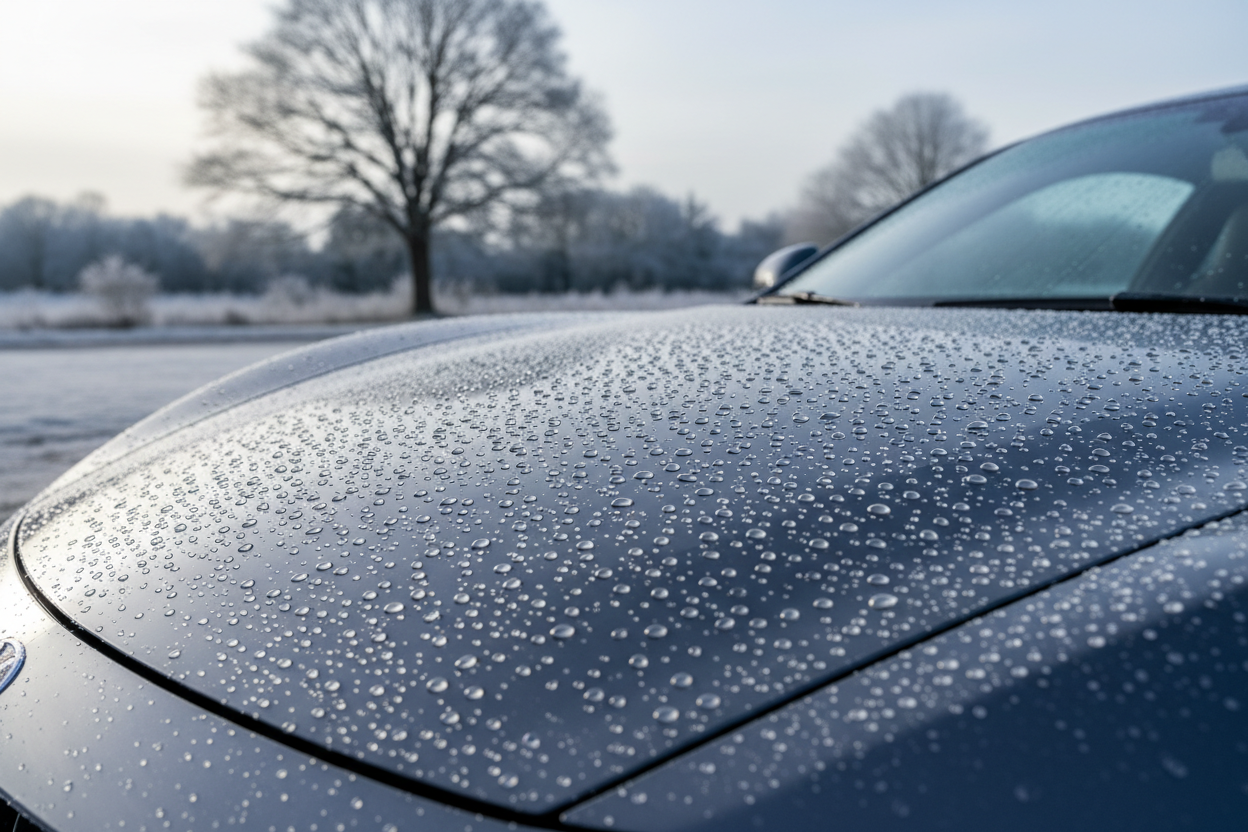
Winter is the hardest season for car paintwork. Road salt and grit accelerate corrosion, freeze-thaw cycles stress the clear coat, and the combination of mud, salt, and moisture means your car is under attack every time you drive. The good news is that a little preparation before winter arrives makes a significant difference — both to how your car looks and how easy it is to keep clean through the worst months.
Why Winter is So Damaging
- Road salt is highly corrosive. It bonds to paint, gets into chips and scratches, and accelerates rust on metalwork and wheel arches.
- Grit thrown up from the road sandblasts the front bumper, bonnet, and lower panels.
- Repeated washing in cold weather can strip wax and sealant protection faster than in summer.
- Freeze-thaw cycles expand and contract any moisture that's found its way into paint chips or scratches, worsening the damage over time.
Step 1: Prepare with a Pre-Winter Wash
Before you apply any protection, start with a thorough wash to remove all existing dirt, old wax, and road film. A snow foam pre-wash is ideal — it loosens surface contamination before you touch the paint, reducing the risk of inflicting fine scratches during the wash process.
Use Autosmart Snowfoam Pro applied with a foam lance or pump sprayer, allow it to dwell for 3–5 minutes to break down surface grime, then rinse before your contact wash. This is the safest way to wash a car that hasn't been decontaminated in a while — and especially important before applying a protective coating.
Step 2: Apply a Ceramic Spray Coating
This is the most important step. A ceramic coating bonds to the clear coat and creates a hydrophobic (water-repelling) layer that makes it significantly harder for salt, mud, and grime to bond to the paint. When contamination can't bond, it rinses away more easily — which means less scrubbing, less risk of scratches, and better-looking paint all winter.
For a straightforward home application, a ceramic spray coating is the practical choice — no specialist equipment or professional-level prep required.
- Mothers CMX Ceramic Spray Coating — a popular and easy-to-apply spray-on ceramic. Apply to a clean, dry panel, spread evenly, and buff off. Provides months of protection.
- White Diamond Coat Graphene Infused Ceramic Spray Coating — graphene-enhanced formula for superior durability and water beading. An excellent upgrade if you want longer-lasting protection.
- Mothers CMX Ceramic 3in1 Polish & Coat — combines light polishing with ceramic protection in one step. Ideal if you want to freshen up the paint and protect it at the same time before winter sets in.
Step 3: Protect Your Wheels
Wheels are the first point of contact with road salt and take the most punishment. Apply a dedicated wheel sealant after cleaning — it prevents brake dust and salt from bonding to the surface and makes wheel cleaning through winter far faster.
Poorboy's World Wheel Sealant creates a durable barrier against brake dust, road grime, and salt, and allows wheels to be cleaned with a quick rinse rather than heavy scrubbing.
Step 4: Protect Fabric and Trim
Winter also takes a toll on interior fabric and soft trim via wet boots, damp dogs, and muddy passengers. Applying 303 Automotive Stain Guard to seats and fabric surfaces before winter creates a barrier that lets liquids bead up rather than soaking in — protecting against salt stains from wet footwear in particular.
Keeping Up Through Winter: The Quick Rinse Routine
Once protected, the goal through winter is to rinse salt off regularly rather than letting it dwell. A quick rinse with a hose or snow foam after every few journeys removes road salt before it can bond and cause damage. You don't need a full wash every time — just get the salt off.
Pay particular attention to:
- Wheel arches and sills (salt accumulates fastest here)
- The underside of the front and rear bumpers
- Door shuts and hinges
Spring Decontamination
When winter ends, give the car a full decontamination wash to remove any bonded salt and iron fallout, then reapply your ceramic coating. This refreshes the protection and removes any winter-accumulated contamination before it causes lasting damage.
Get your car winter-ready now. Start with Autosmart Snowfoam Pro for a safe pre-wash, then seal with Mothers CMX Ceramic Spray Coating for months of protection through the worst of the season.


Please upload banner from store admin blog pages